Paid to the supplier over 25 years
≈ £65,800
£100 a month rising 6% a year, added up. And it doesn't stop there — there is no end date.

UK homeowners
See whether your home qualifies. Four quick questions and we'll come back to you with what solar would actually look like for your property.
Eight things that changed
If you looked into solar years ago and walked away, you saw a different story. Here is the same decision, five years apart.
Five years ago: £15,000–£20,000+ paid upfront
Today: Zero upfront cost, paid through a monthly plan
Five years ago: Years of waiting to earn it back
Today: Working for the home and saving you money from day one
Five years ago: An expensive repair bill if anything failed
Today: Covered for the plan term — repaired, replaced, upgraded
Five years ago: Blue panels that needed direct sun
Today: Full-black panels that generate from daylight
Five years ago: Basic panels, and batteries you could barely get
Today: Far better technology, with battery storage as standard
Five years ago: You arranged and understood it all yourself
Today: Designed, installed and monitored for you
Five years ago: An experiment for early adopters
Today: Millions of UK homeowners now have solar
Five years ago: A supplier bill with no cap and no end
Today: A plan with a fixed 2.5% yearly rise — and an end date
Start here
Four quick questions — then we review the property and come back to you.
Panels are fixed to the building, so installing them is a decision only the owner can make — it isn't something you can arrange as a tenant.
If you know someone who owns their home, or you'd like your landlord to see this, you're welcome to pass it on.
Please enter your full address, including the postcode.
We've received your details. We'll review your property and be in touch to arrange your appointment — around 60 minutes, at your home or over a call.
Why this appointment is worth an hour
Takes 30 seconds
A basic need, priced like a subscription
Electricity is a basic need, priced like an open-ended subscription. The price can rise at any time, by however much. You pay forever, you own nothing at the end — and if the payments stop, so does the supply.
The average year
Around 6% on top
UK electricity prices have typically risen around 6% a year on average — in recent decades, more like 7%.
2020 · Covid
Demand whiplash
Lockdowns swung demand wildly and prices followed. Nobody's bill asked permission first.
2022 · Energy crisis
Up by around half
After Russia invaded Ukraine, the price cap jumped by roughly half in a single step. World events far from your street set the number on your bill.
Next · AI demand
The grid gets busier
AI data centres are pushing electricity demand up year on year. More demand competing for the same grid rarely makes anything cheaper.
Contracts should work in your favour.
The supplier deal: Pay forever
The Solar Plan: A fixed term — then the payments stop and the equipment is yours
The supplier deal: Rises whenever they decide
The Solar Plan: A fixed 2.5% a year — even an average year, at around 6%, rises more than twice as fast as that
Drawn to the same scale, a typical 6 per cent yearly rise climbs more than twice as steeply as the plan's fixed 2.5 per cent a year.
The same years, drawn to the same scale.
The supplier deal: Paying into nothing
The Solar Plan: Paying into an asset on your own roof
The supplier deal: A price that tracks every world event
The Solar Plan: A rate set by your agreement — not by the headlines
The supplier deal: Every single unit bought at their price
The Solar Plan: Your roof generating before you buy a thing
The supplier deal: Fully dependent on their grid
The Solar Plan: Your own power first — the grid as the last resort
Same money, two very different sets of hands. The difference fits in one number.
Their rate
Set by the supplier — whenever, by however much.
Your rate
A fixed 2.5% a year, written into your agreement.
One of these numbers you'll find out later. The other you know today.
UK electricity prices have typically risen around 6% a year on average — and some years, far more.
The cost of doing nothing
Most people never work out what they'll pay for electricity over twenty-five years — a basic need, paid forever, rising with whatever each year brings. No control, no ownership, nothing kept. Here's the number.
If a £100 monthly electricity bill rises 6% a year, it becomes roughly £179 a month by year 10 and roughly £429 a month by year 25 — about £65,800 paid in total over 25 years, with no cap and no end date. The Solar Plan example starts at £80 a month and rises a fixed 2.5% a year, reaching roughly £148 a month in year 25 — about £32,800 in total — and then the plan ends: the system is yours, there are no more plan payments, and the equipment keeps working. This is an illustration based on stated assumptions, not a quote; future energy prices cannot be predicted.
Your supplier£100 a month today · rising 6% a year
The Solar Plan£80 a month · rising a fixed 2.5% a year
Year 25 — the plan ends. The system is yours and there are no more plan payments. The equipment keeps working. A supplier bill has no year 25.
Paid to the supplier over 25 years
≈ £65,800
£100 a month rising 6% a year, added up. And it doesn't stop there — there is no end date.
Solar Plan payments over 25 years
≈ £32,800
£80 a month rising a fixed 2.5% a year, added up over the full term. Then the plan payments stop.
Solar has moved into the mainstream — more than two million UK solar installations (DESNZ/MCS, spring 2026).
You pay a monthly Solar Plan instead, rising a fixed 2.5% a year. Installation is carried out by our MCS-certified installation partners.Subject to eligibility, property assessment, status and approval.
One ordinary day
Follow the sun across one ordinary day — the roof generates, the battery stores, the house uses its own power.
First light. The panels wake with the day, and generation begins.
Midday. The house runs on sunshine, and the surplus charges the battery.
Dusk. Generation winds down, so the house turns to what it stored.
Night. The battery carries the evening — with the grid there as backup.
Where the money goes
Staying fully on the grid means renting your energy at a price someone else sets. The aim here is different: generate your own first, store the rest, sell the surplus — and keep the grid as the last resort.
Without solar
Like renting your electricity — the money leaves for good.
With the Solar Plan
Like buying instead of renting — the same money, pointed at your own system.
How the benefit is built
From generated power to household value
Value stays in the home
Tap each part — it all has one job
Four pieces of hardware and one clever arrangement — including what happens to the electricity you don't use.
They sit on the roof and convert daylight — not direct sunshine — into electricity. Your home uses that electricity first, before buying anything from the grid.
Full-black panels generate on grey days, in winter, everywhere in the UK.
It converts the electricity from the panels into the form the house actually uses. One box, one job — usually in the garage or loft.
Covered for the plan term, like every other component.
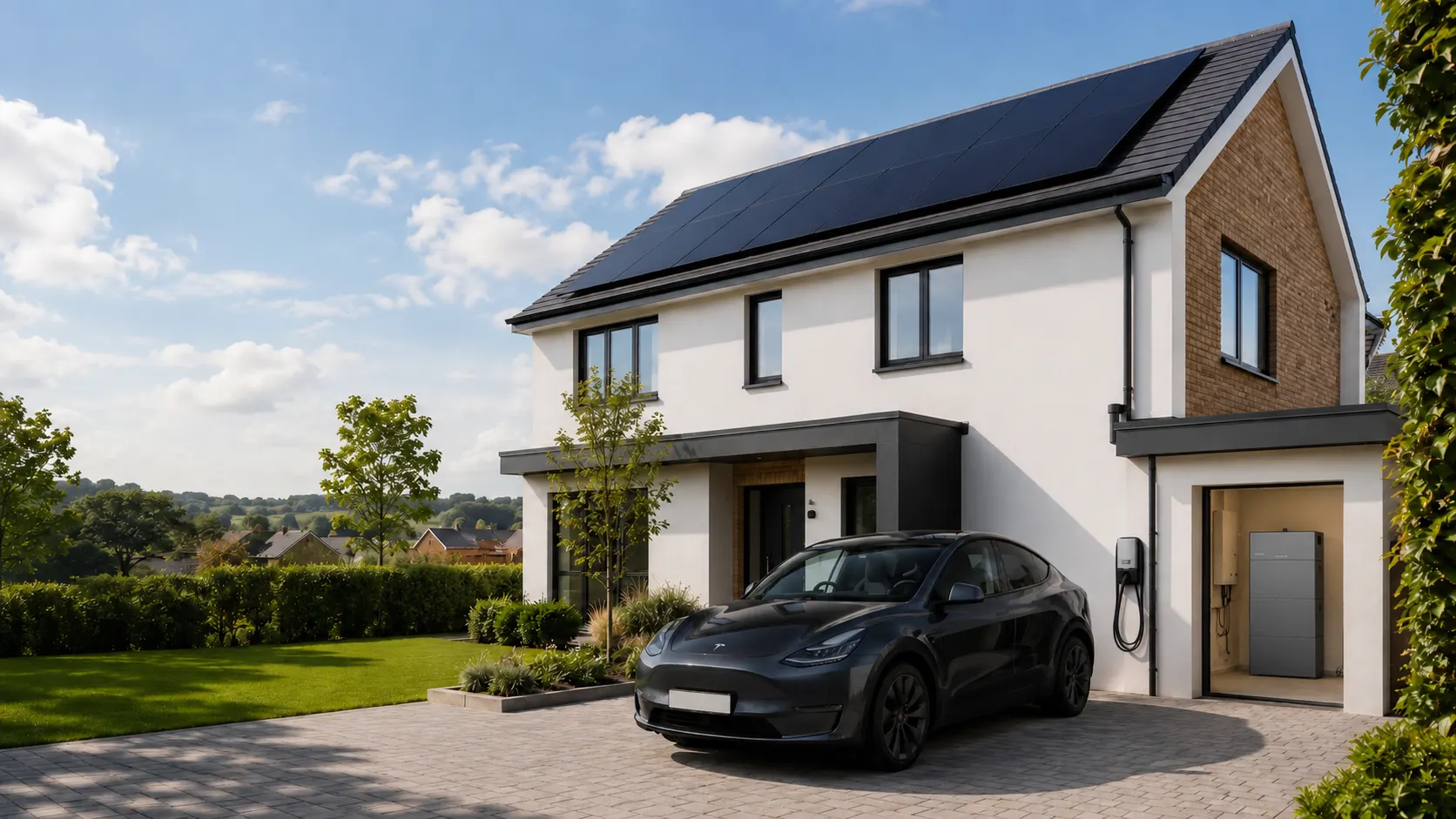
It stores what the panels produce but the house isn't using, so it's there in the evening when demand is highest.
It can also charge from the grid overnight, typically 2–4am, at up to a third of the peak rate.
The house runs on its own generation first and buys less from the grid. A live app shows generation, usage and system health — nothing is a black box.
The grid stays connected as backup; solar means relying on it far less.
When the system produces more than the home can use or store, the surplus goes back to the grid — and under the Smart Export Guarantee, eligible households can be paid for it.
Subject to your supplier's terms and eligibility.
Normal questions. Simple answers.
A better way to think about it
The broad question
Does solar work?
The useful question
How well does this design fit this property?
The answer becomes clearer when the roof, household use, storage and system design are considered together.
Clear stages. Calm process.
Three stages between your roof as it is today and knowing exactly what it could do.
Four quick questions. Nothing to dig out, nothing to sign.
Roof, orientation, usable area — and how much electricity the household actually uses.
Around 60 minutes going through the design and the numbers for your specific property — simply working out what works best for your home.
Different homes. One direction.
Every property is different — the design work is making solar fit the home, not the other way round.
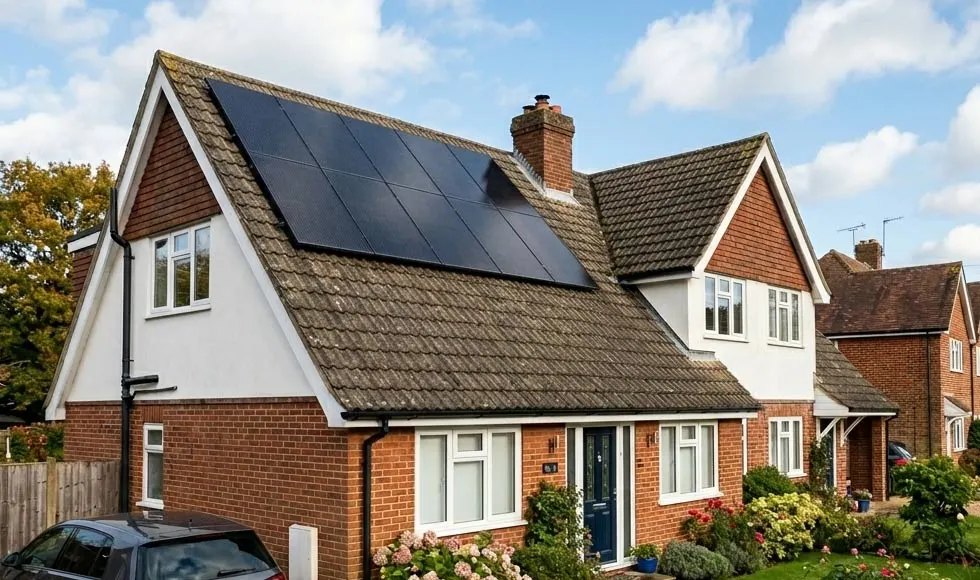
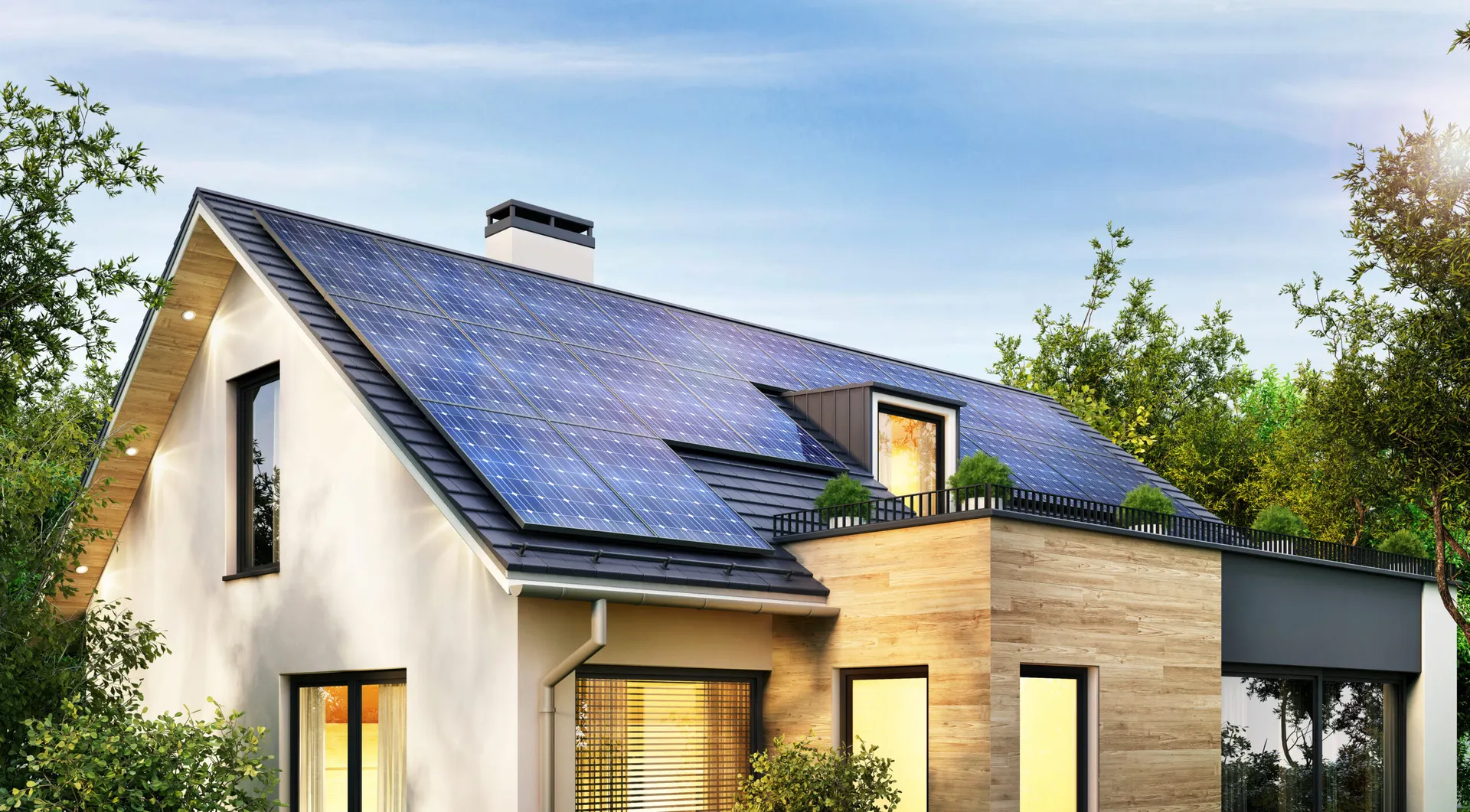
A clear south-ish slope and room for a battery — the kind of roof where the design almost draws itself.
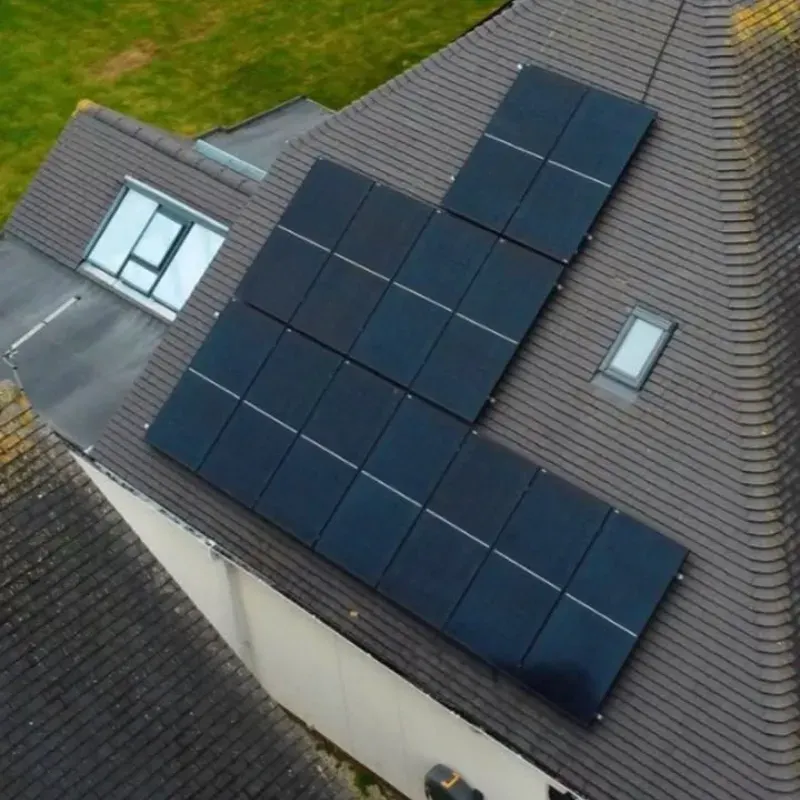
Every system starts with the property itself — orientation, shade and usable area, not a one-size template.
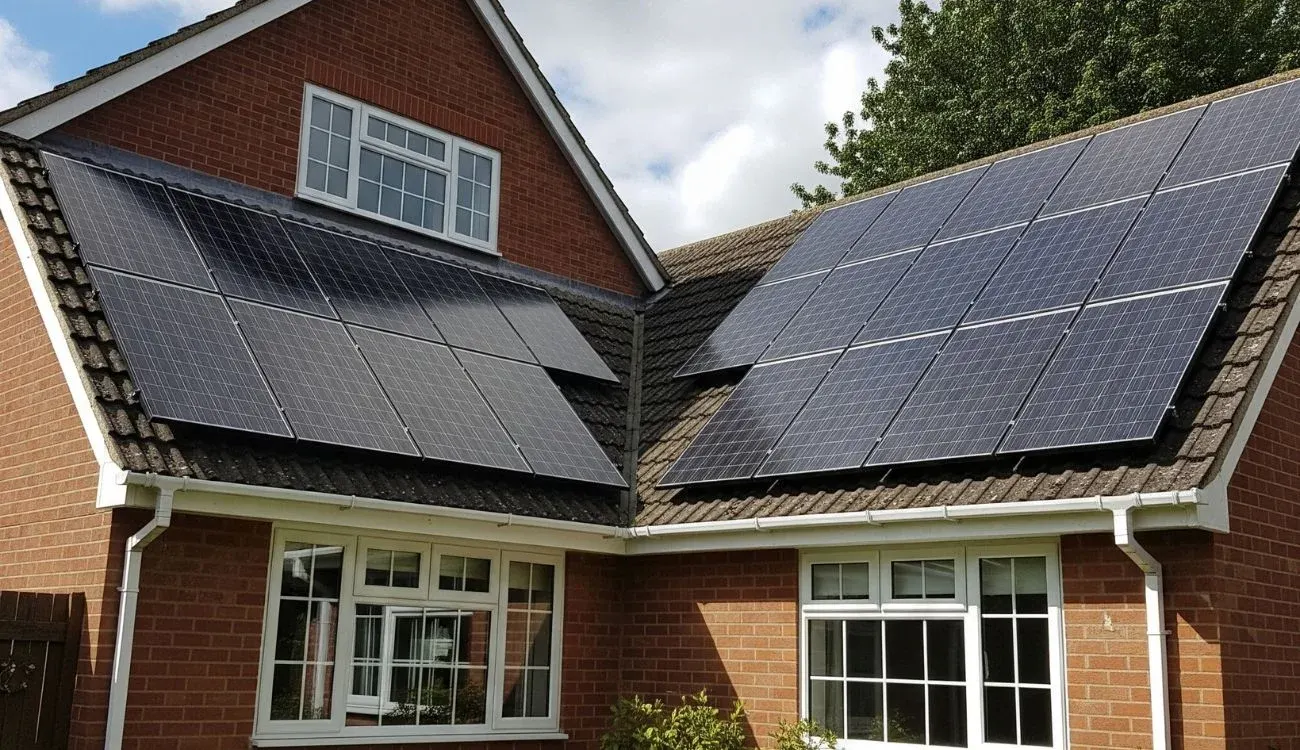
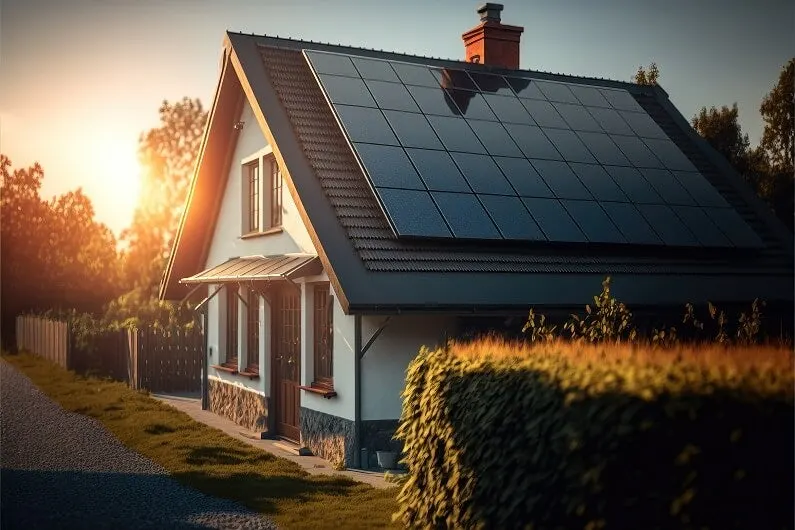
An ordinary street, an ordinary roof — panels on both planes, working through ordinary British daylight.
A system of protection
The industry has had bad actors, and scepticism is the right instinct. What answers it isn't reassurance — it's structure. Four independent layers, each with its own job, stand between your home and having to take anyone's word for anything.
The independent check
The Energy Performance Validation Scheme validates the generation and savings figures for your specific property before you commit — and contacts you directly to check you're comfortable with them. If the figures don't stand up, nothing proceeds.
The quality standard
The UK national quality standard for small-scale renewable installations. The installation engineers are certified to it.
The consumer protection
Government-endorsed quality and consumer-code protection, including dispute resolution.
The regulation
The plan is administered by an authorised and regulated firm.
Each layer is independent of the company — the reason you don't have to take anyone's word for it.
Normal questions. Simple answers.
Yes — there's no upfront cost for eligible homeowners. Instead you pay a monthly Solar Plan, and the payment rises by a fixed 2.5% each year, written into your agreement.
Subject to eligibility, property assessment, status and approval.
Panels use daylight, not direct sunshine. Cloud changes how much is produced on a given day, but generation doesn't simply switch off.
The aim is to get your home to the point where little or nothing is bought from the grid — and some homes go further, earning export credits under the Smart Export Guarantee.
Even where a bill remains, the electricity your roof produces replaces electricity you'd otherwise buy at the grid's price — so most homes see the saving from day one, even before the whole bill is offset.
Shade matters by location and time of day, so the roof is assessed specifically rather than treated as a generic surface. If shade means it doesn't stack up for your property, we'll tell you.
Most designs pair panels with battery storage so the home can use its own power later in the day. What suits your property is confirmed at the assessment, not assumed beforehand.
It depends on the system design and the property. Installation is carried out by our MCS-certified installation partners, who confirm timings with you before anything is booked.
Some. The inverter and battery need a place to live — often a garage, loft or utility space — and cabling runs to your consumer unit. The survey confirms exactly what goes where before any work starts.
Your options if you sell depend on the plan provider and are set out in the agreement documents — in writing, before you commit to anything.
Monitoring and support are brought together under the plan. The detail of cover and maintenance sits with the plan provider and the installation partner, and is set out in your agreement documents.
No. The check gathers information about your home; suitability is assessed afterwards, based on the property itself and the plan provider's own checks. We'll tell you the outcome either way.
No. The Solar Plan is a commercial agreement with the plan provider — it is not government funding of any kind, and no government endorsement is implied.
Government support does exist separately: schemes such as ECO4 and the Boiler Upgrade Scheme help certain households, and domestic solar currently carries 0% VAT. Those can sit alongside the Solar Plan as part of making a home more energy-efficient — but the plan itself is not a grant.
No — the eligibility check itself involves no credit check. A credit check only happens later, with the plan provider, if you decide to go ahead — and they'll tell you before it happens.
Still wondering about your own roof?See whether your home qualifies
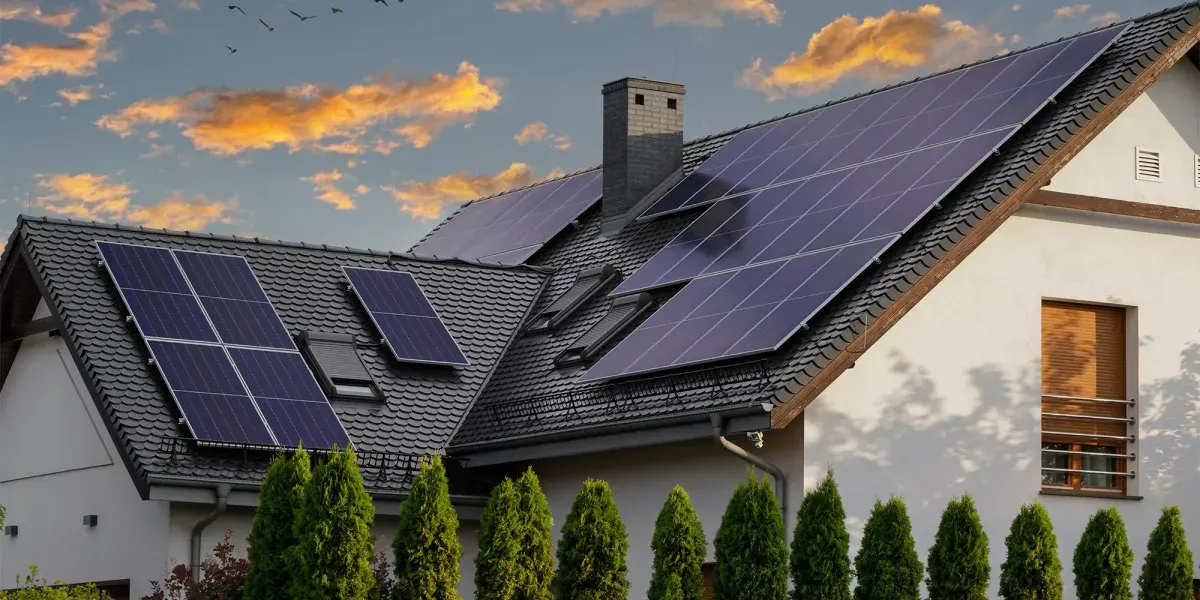
Your roof is already there